Christmas Trees Jingle SVG Review
First Impressions of Christmas Trees Jingle SVG
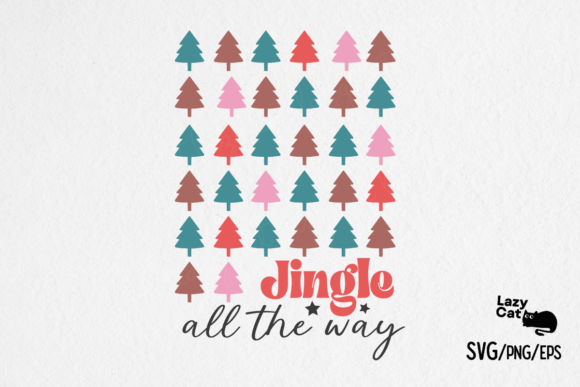
From the moment I opened the Christmas Trees Jingle SVG files, I was struck by the festive energy and clean design. The five files included—two SVG color black, two PNG 300 dpi color black, and one EPS—offer versatility for different creative needs. The design features a set of stylized Christmas trees with a jingle bell motif, creating a cheerful and recognizable holiday theme.
The layout is balanced, with enough detail to make it visually appealing without being overwhelming. The shapes are well-defined, making it suitable for a variety of embroidery applications. This design feels like it belongs on custom apparel, baby items, or holiday gifts that need a touch of elegance and tradition.
Real-Life Embroidery Scenarios with Christmas Trees Jingle SVG
I tested the Christmas Trees Jingle SVG on a few different projects, starting with a custom tote bag design. The design translated well onto cotton fabric, with clear lines and a nice balance between negative space and detail. It would be perfect for a small business owner looking to create handmade products for the holiday season.
On a sweatshirt, the design held up well, though I noticed that the stitch density might require some adjustment depending on the fabric type. For thicker materials, the design could benefit from a bit more stabilizer to prevent puckering. On thinner or stretchy fabrics, I’d recommend testing first to ensure the design doesn’t distort during stitching.
This design also works well as an embroidered patch. The clean lines and limited color palette make it ideal for applique or satin stitch work. I could see it being used in a variety of commercial embroidery projects, such as aprons, caps, or even personalized baby clothes.
Where to Use Christmas Trees Jingle SVG Carefully
While the Christmas Trees Jingle SVG is versatile, there are certain situations where caution is needed. On small hoop sizes, the design might feel cramped, especially if the user is working with intricate details. For these cases, I’d suggest resizing the design slightly or using a larger hoop if possible.
When working with textured fabrics or dark backgrounds, the contrast between the design and the fabric can affect visibility. I recommend testing the design on different fabric types before committing to a full project. Thin or stretchy fabrics may also require additional stabilizer to maintain the integrity of the stitches.
For curved surfaces like caps or hats, the design may need some slight adjustments to fit properly. Tiny lettering or detailed corners could be lost in dense stitch areas, so it’s important to review the file carefully before stitching. If the design is intended for commercial use, checking the licensing terms is essential to avoid any legal issues.
Impact on Visual Appeal and Customer Perception
The Christmas Trees Jingle SVG has a strong visual appeal that can elevate any handmade product. Its clean lines and familiar holiday theme make it instantly recognizable, which is great for customer engagement. When used on a personalized gift or custom apparel, it adds a professional touch that customers appreciate.
In a craft business or Etsy shop, this design can help build brand consistency, especially if it’s part of a seasonal collection. The ability to use it on different items—like pillow covers, tea towels, or nursery decor—makes it a valuable addition to a designer’s library. It also enhances the giftability of finished products, as the design is both decorative and meaningful.
For small shop owners or digital product sellers, the Christmas Trees Jingle SVG offers flexibility in how it’s used. Whether as a printable mockup or a digital embroidery file, it provides a solid foundation for creating high-quality, marketable items.
Practical Designer Notes for Using Christmas Trees Jingle SVG
Before using the Christmas Trees Jingle SVG in any project, I always recommend testing it on scrap fabric. This helps identify any potential issues with stitch density, thread color contrast, or stabilizer requirements. Even a small adjustment can make a big difference in the final look of the design.
Reviewing the stitch density is crucial, especially if the design will be used on delicate or stretchy fabrics. A higher density may cause the fabric to pucker or the threads to break. Checking the hoop size ensures that the design fits comfortably without being too tight or too loose.
Inspecting small details, such as the jingle bells or tree trunks, is important to ensure they come out clearly. Testing the design in black and white mockups can also help determine how it looks on different fabric backgrounds. This is especially useful when considering dark or light-colored garments.
Finally, confirming the licensing terms is a must, particularly if the design will be used for commercial purposes. Some files may have restrictions on resale or modification, so understanding those limitations upfront can save time and headaches later on.